Latex Colourful Balloons
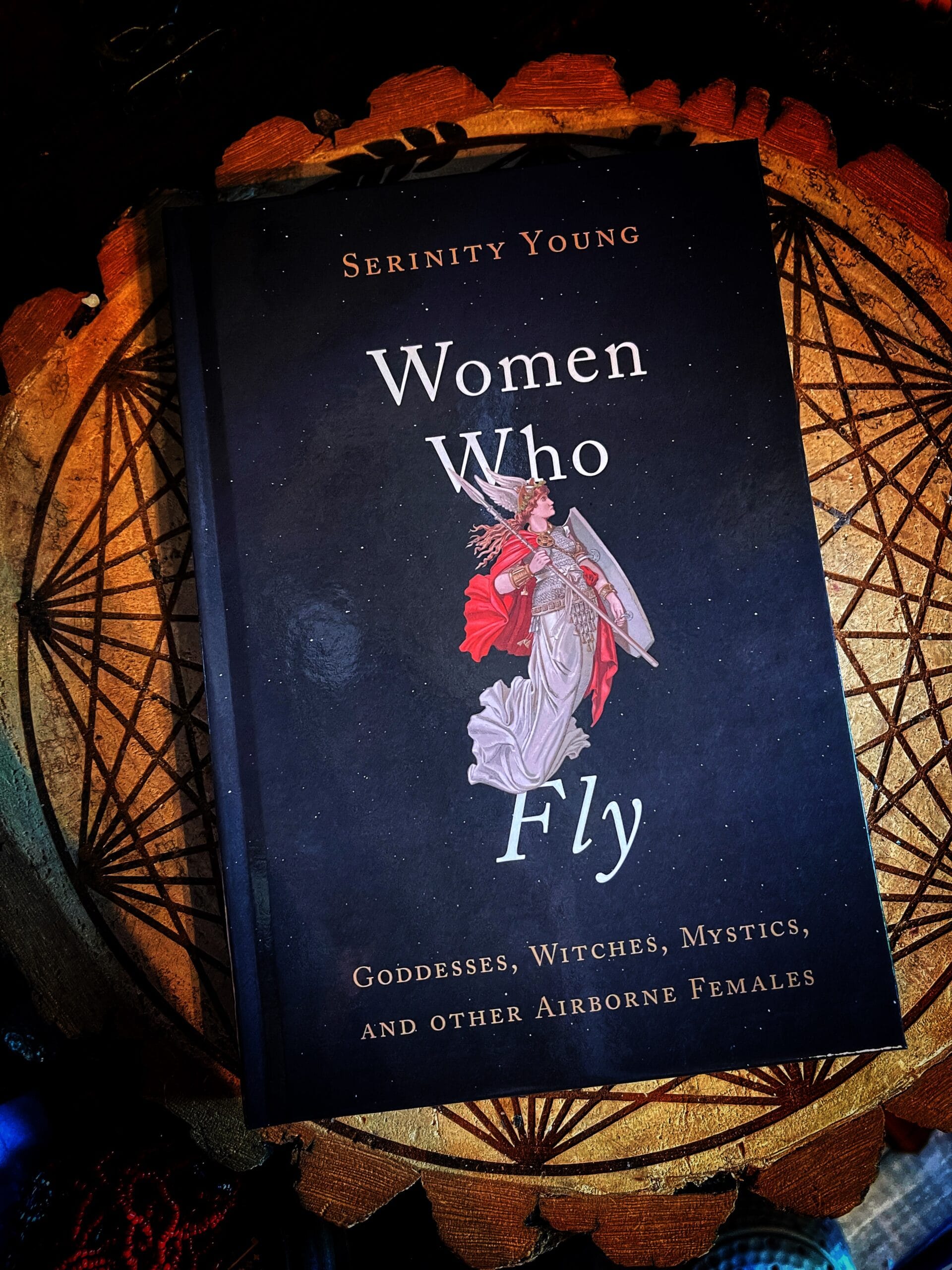
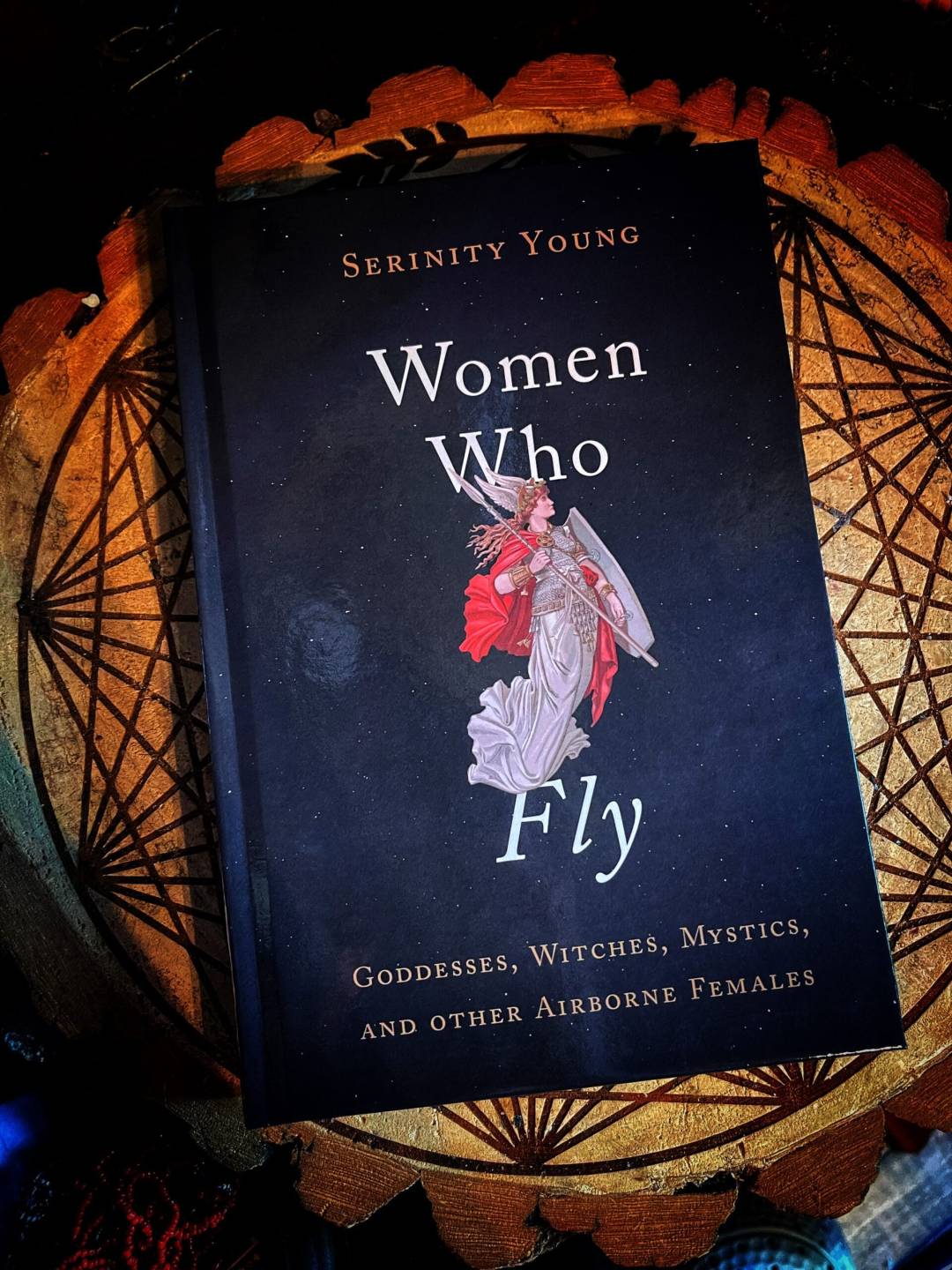
Women Who Fly: Goddesses, Witches, Mystics, & other Airborne Females
$ 29.24
+ Free ShippingAvailability:
Description From the beautiful apsaras of Hindu myth to the swan maidens of European fairy tales, tales of flying women – some carried by wings, others by rainbows, floating scarves, or flying horses – reveal both fascination with and ambivalence about female power and sexuality. In Women Who Fly, Serinity Young examines the motif of the flying woman as it appears in a wide variety of cultures and historical periods, expressed in legends, myths, rituals, sacred narratives, and artistic productions. She introduces a wide range of such figures, including supernatural women like the Valkyries of Norse legend, who transport men to immortality; winged deities like the Greek goddesses Iris and Nike; figures of terror like the Furies, witches, and succubi, airborne Christian mystics, and wayward women like Lilith and Morgan le Fay. Looking beyond the supernatural, Young examines the extraordinary mythology surrounding 20th century female aviators like Amelia Earhart and Hanna Reitsch. Tracing the inextricable link between female power and sexuality and the male desire to control it. This is most vividly portrayed in the 12th century Niebelungenlied, in which the proud warrior-queen Brünnhilde loses her great physical strength when she is tricked into giving up her virginity. Centuries earlier the theme is seen in Euripides’ play Medea, in which the title character – enraged by her husband’s intention to marry a younger woman – uses her divine powers in revenge, wreaking chaos and destruction around her. It is a theme that remains tangible even in the 20th century exploits of the comic book character Wonder Woman who, She retains her physical strength only because her love for fellow aviator Steve Trevor goes unrequited. The first book to systematically chronicle the figure of the flying woman in myth, literature, art, and pop culture, Women Who Fly is an exciting, fresh look at the ways in which women have both influenced and been understood by society and religious traditions around the world. The famous statue of Nike of Samothrace is introduced as an illustrative example of the image of the winged female—a figure that is found as far back as the Paleolithic era, and as recently as the twentieth century, across the world’s geographical, religious, and cultural regions. Examples from these varied sources will be discussed in depth throughout the book. The motif of the flying female or winged woman, and the tales told about them, embody themes including heroism and womanhood; the conflict between freedom and domesticity; understandings of transcendence versus immanence; and ancient fears about shape-shifting, especially from animal to human and back again. Hardcover